
Dunfermline Abbey
A worshipping community since 1072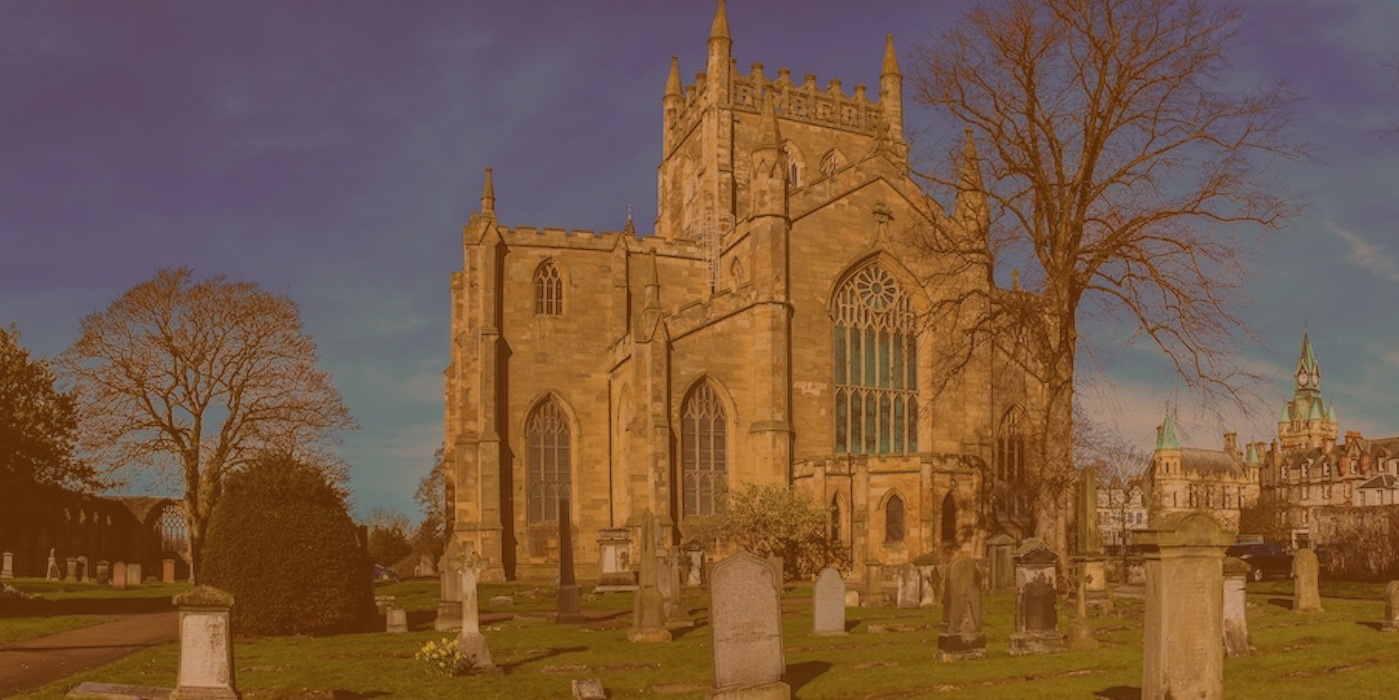

A worshipping community since 1072Welcome
Founded in God's Love Serving at the heart of Dunfermline Welcoming friend and stranger in worship and community
FIND OUT MOREFounded in Gods LoveWorshipping Together
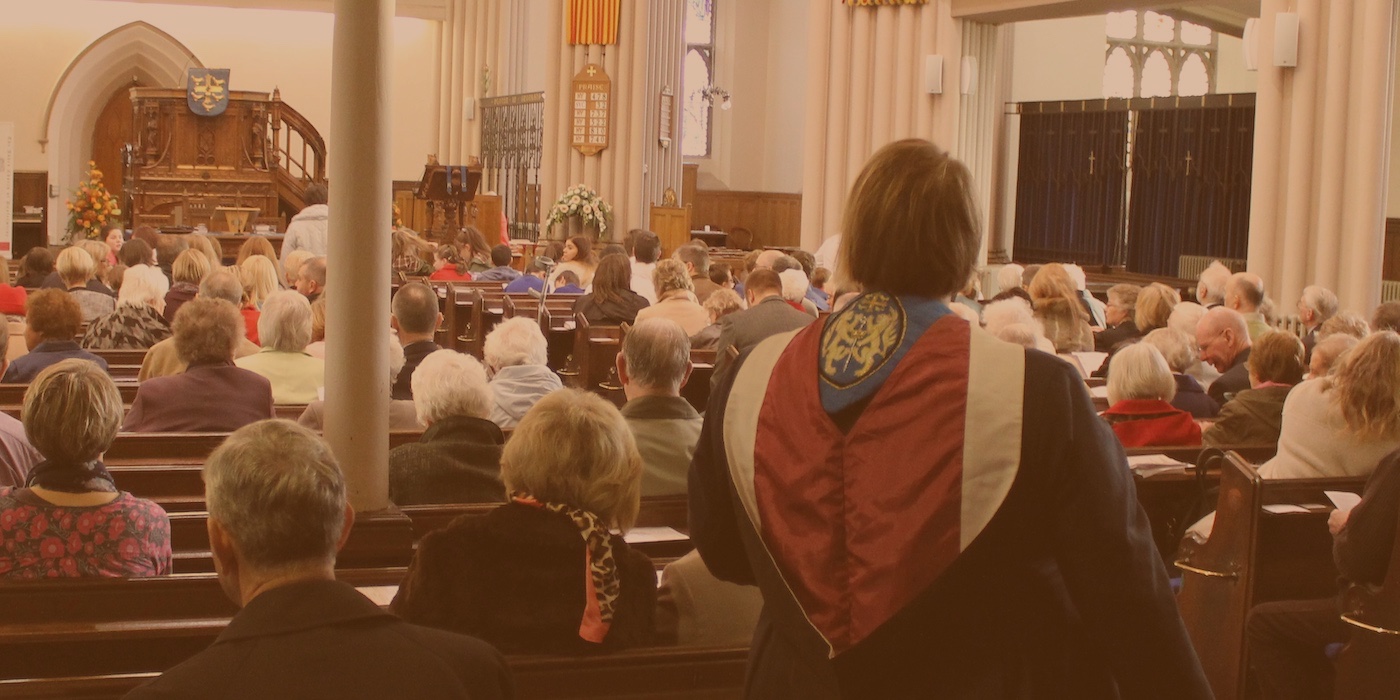
Worship at Dunfermline Abbey follows a traditional Church of Scotland pattern with the Word of God taking central place with Morning Worship at 10:30
FIND OUT MOREServing at the Heart of DunfermlineCommunity Spirit
Having been a centre of Christian Worship on this site for over a thousand years the church looks forward to the future with confidence in its place in the life of the town of Dunfermline.
FIND OUT MOREContinuing mission in Dunfermline Embracing Our History
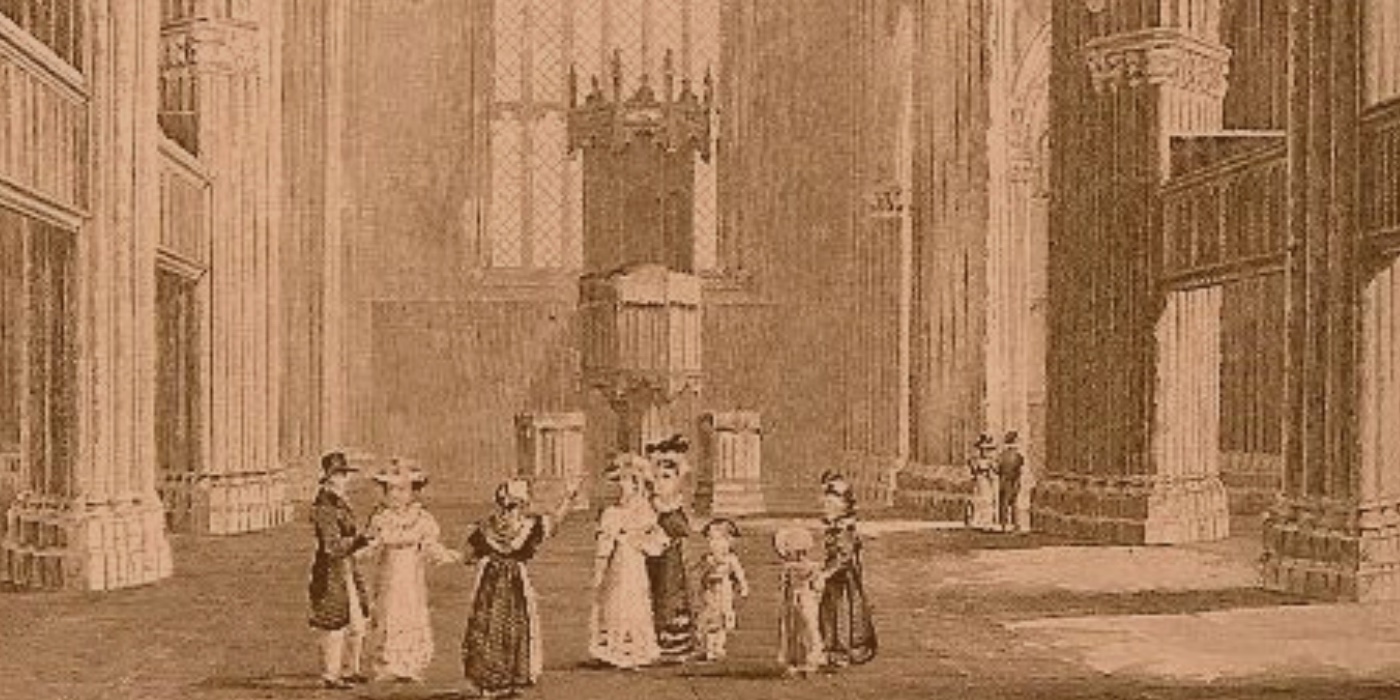
25,000 people a year experience the Abbey through our long and varied history which is all entwined with the history of Scotland itself!
FIND OUT MOREA Creative Space for Children in the Heart of the Community.Abbey Kids
A variety of art and crafts activities both big and small, as well as a snack, aimed for children of Primary School age
Find out More
Worship
Worship at Dunfermline Abbey follows a traditional Church of Scotland pattern with the Word of God taking central place. The main service is at 10.30am each Sunday, and the sacrament of Holy Communion is celebrated on the second Sundays of March, June, September and December. During school term-time, the congregation has been trialling an

Community
We are more than just a Sunday thing, it's something different for everyone, everyday! Having been a centre of Christian Worship on this site for over a thousand years we look forward to the future with confidence in our place in the life of the town of Dunfermline. (more…)

Music
Music has been an important feature of the liturgy at Dunfermline Abbey since the time of the Benedictine foundation in the twelfth century. In these earlier times music would have been sung at every service throughout the course of each day. (more…)

History
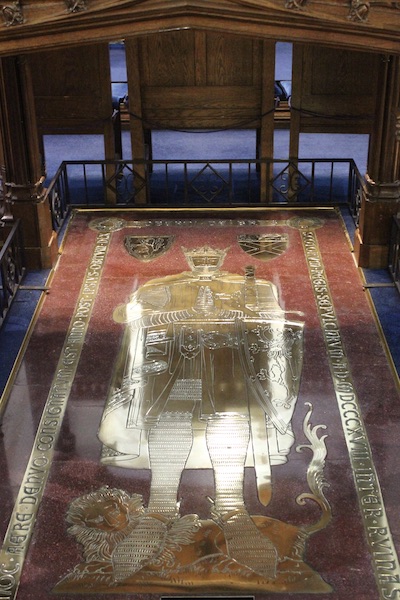
The Abbey Church is the centrepiece of Dunfermline, one of the oldest settlements in Scotland and once its proud capital. The history of The Abbey is entwined with that of Scotland itself, as Dunfermline was the burial site of the Scottish monarchs after the island of Iona, and you will
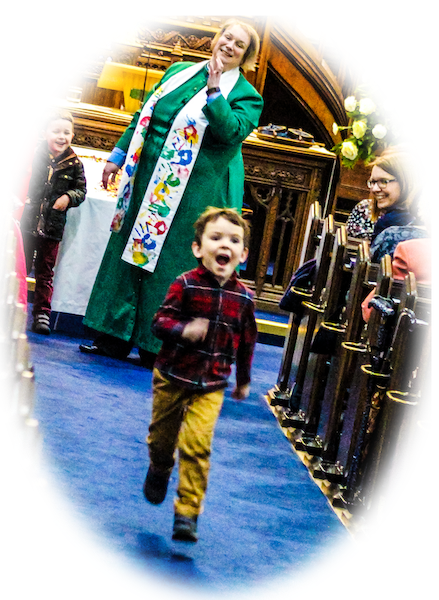
Why the Abbey?
To be recognised as a vibrant, compassionate, self-sustaining Christian community, welcoming to all


Abbey News
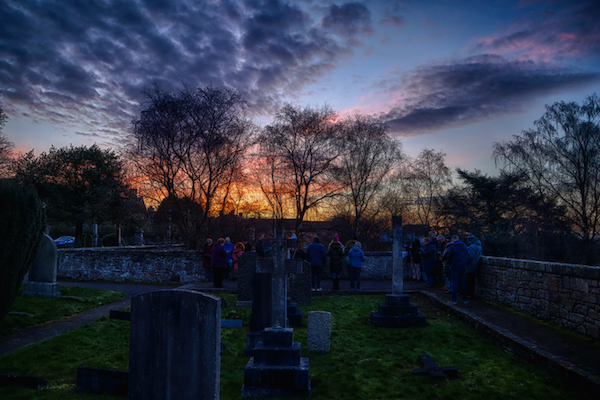
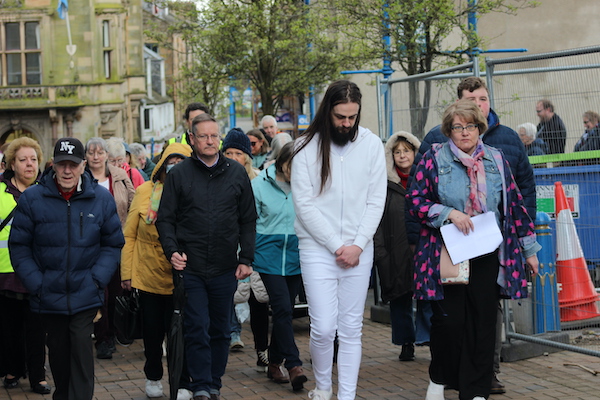
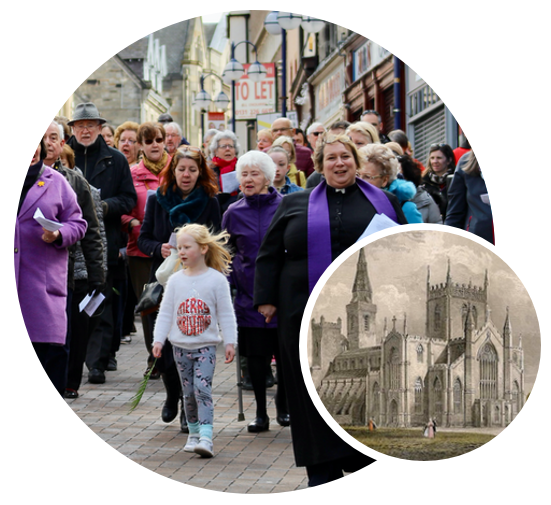
Walk of Witness
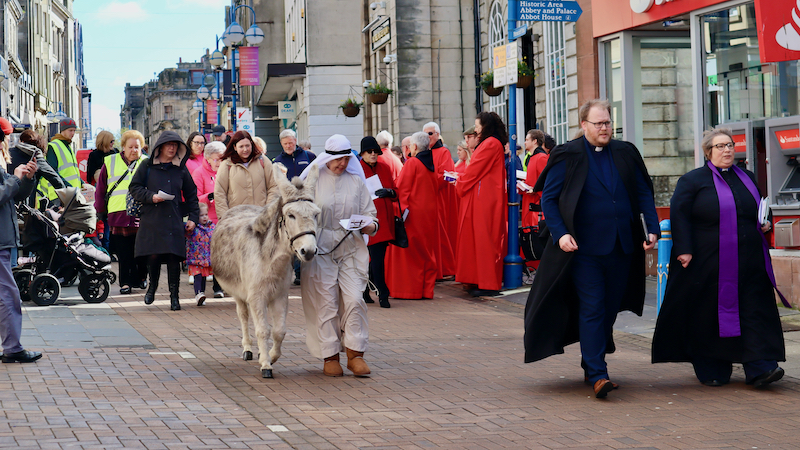
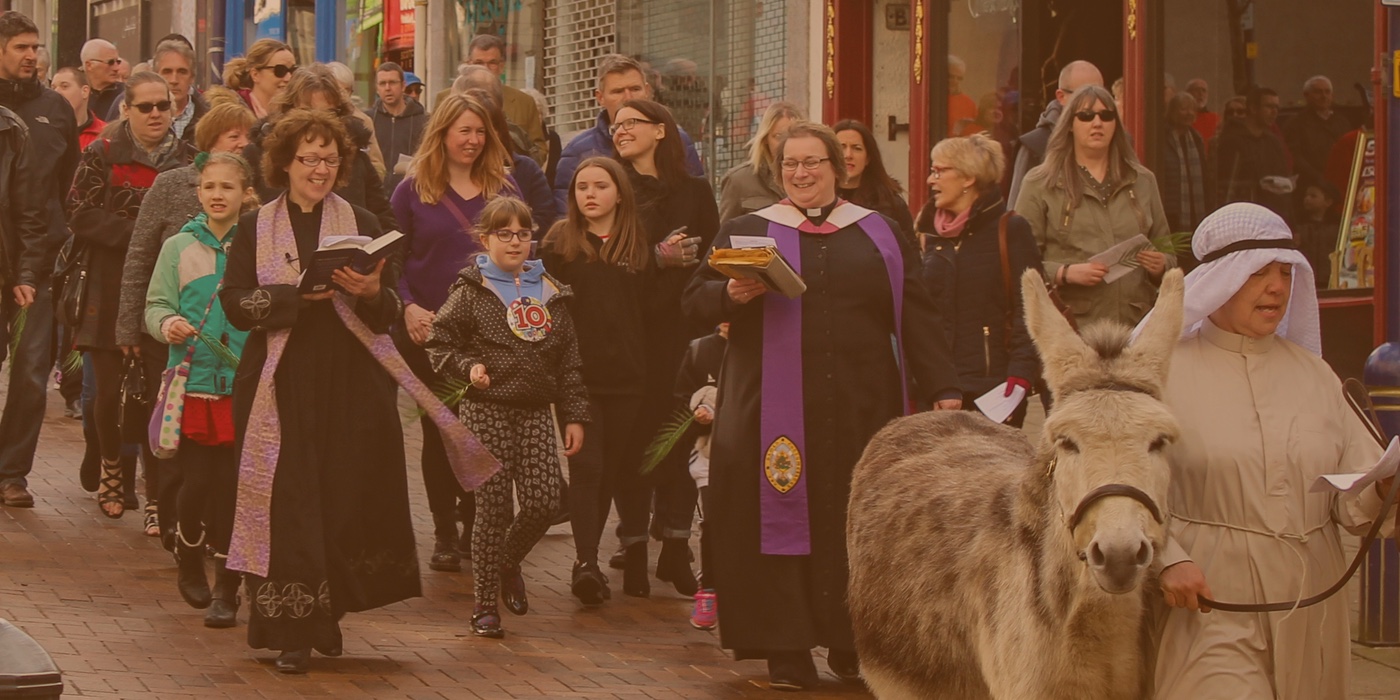
Palm Sunday Procession
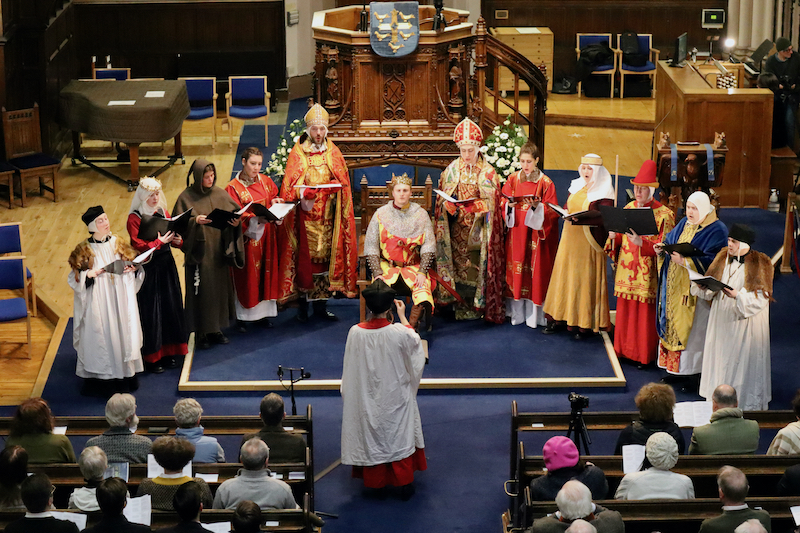
The Bruce Cathedral Opera
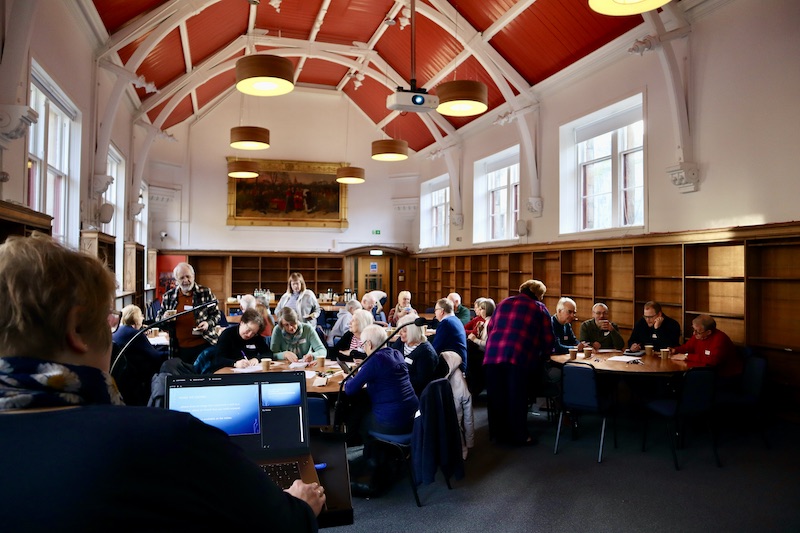
Conference – Cathedral Style
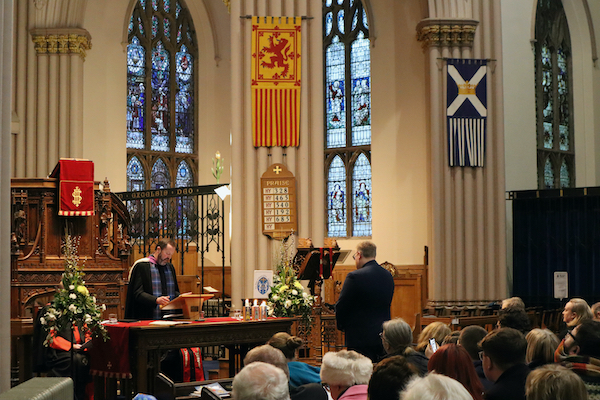
Special Events


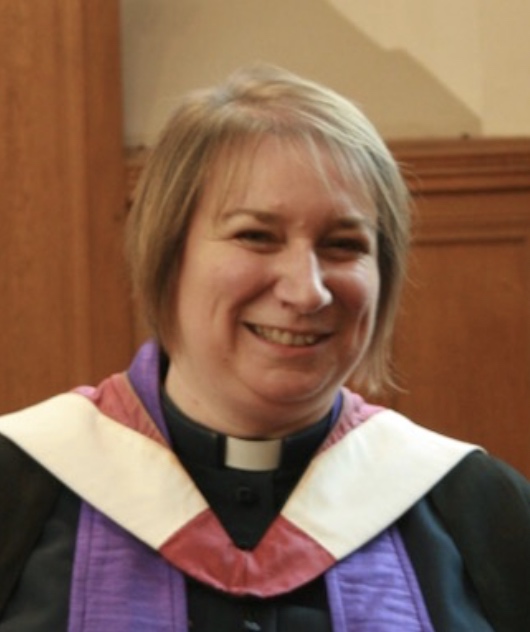
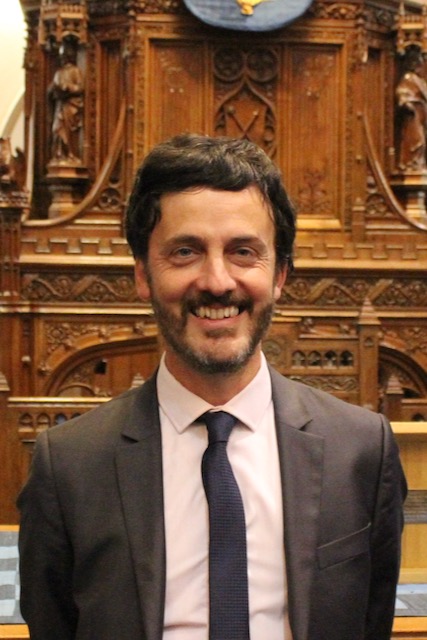
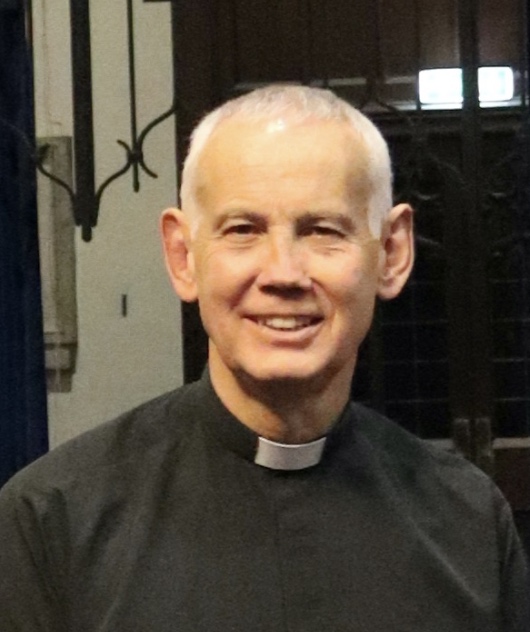
Our Team





Visit the Abbey
latest News
-
Easter Sunday 2024
April 1, 2024 -
Walk of Witness
March 14, 2024